
-
Test and Drive Multi Level Single Use Individual Pack Breathalyser Kits
Regular price From £1.99 GBPRegular priceUnit price per -
Breathalyser Mouthpieces AL6000 / AL7000 / AlcoDigital Platinum
Regular price From £12.99 GBPRegular priceUnit price per -
AlcoDigital AL7000 Digital Breathalyser Alcohol Tester
Regular price £91.99 GBPRegular priceUnit price per -
Replacement Sensor for AL7000 Breathalysers
Regular price £24.75 GBPRegular priceUnit price per -
Drager Breathalyser Mouthpieces
Regular price From £19.99 GBPRegular priceUnit price per -
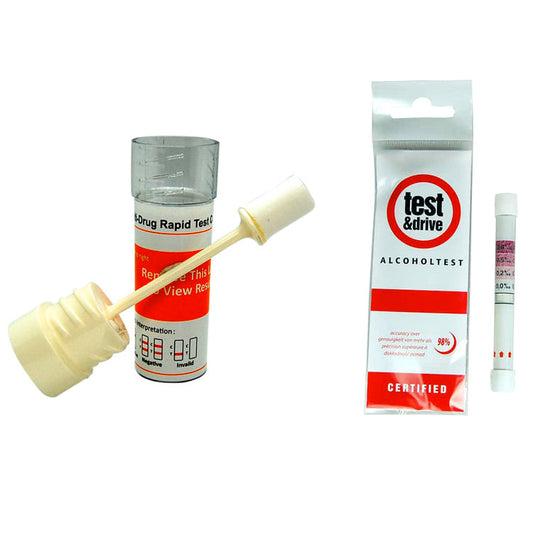
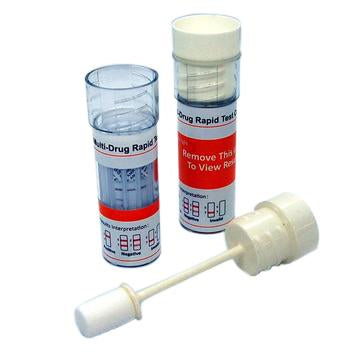
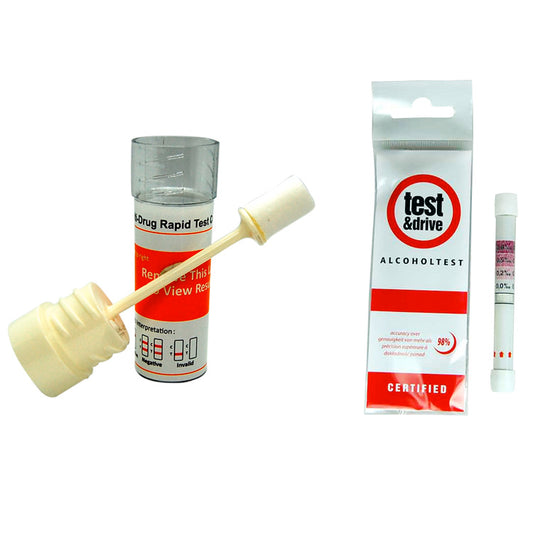
10 x ALLTEST 10 Panel Saliva Workplace Drug Testing Kit DSD-8107 + 10 x Test And Drive Alcohol Breathalyser Kits Drug And Alcohol Pack
Regular price £119.99 GBPRegular priceUnit price per -
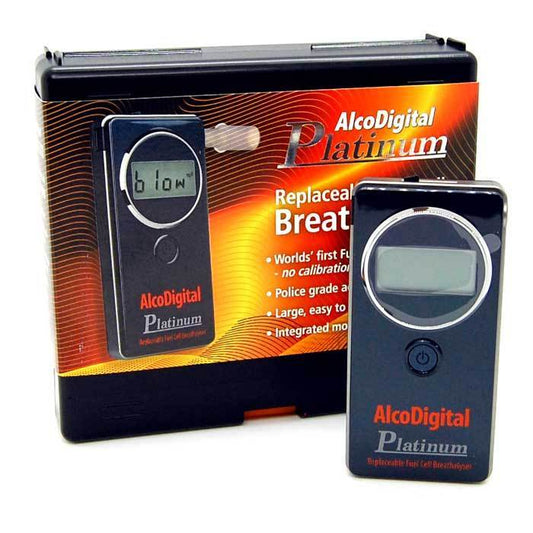
AlcoDigital Platinum Fuel Cell Breathalyser + Spare Sensor + 100 Pro Mouthpieces
Regular price £259.00 GBPRegular priceUnit price per -
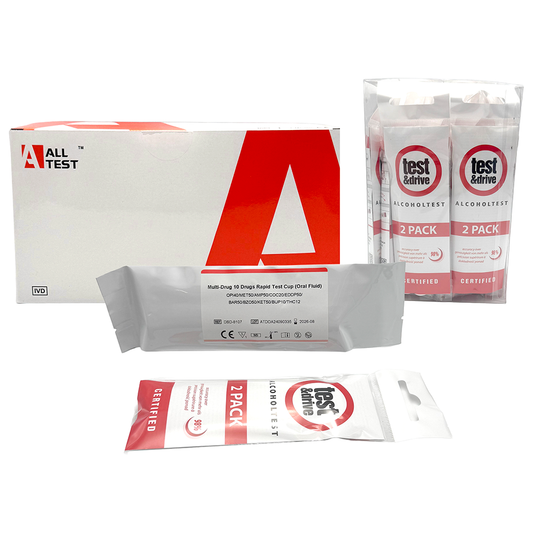

20 x ALLTEST 10 Panel Saliva Drug Testing Kit DSD-8107 + 20 Test And Drive Alcohol Breathalyser Kits
Regular price £230.00 GBPRegular priceUnit price per -
AlcoDigital Platinum Fuel Cell Breathalyser
Regular price £192.00 GBPRegular priceUnit price per -
Replacement Sensor Module for Alcodigital Platinum Breathalysers
Regular price £59.99 GBPRegular priceUnit price per -
60 x ALLTEST 10 Panel Saliva Workplace Drug Testing Kit DSD-8107 + 60 x Test And Drive Alcohol Breathalyser Kits Drug And Alcohol Pack
Regular price £657.98 GBPRegular priceUnit price per -
Wholesale Test and Drive Single Use Breathalyser Kits
Regular price From £719.99 GBPRegular priceUnit price per -
Drager Alcotest 7000 Workplace Breathalyser + 100 Mouthpieces
Regular price £1,578.00 GBPRegular priceUnit price per -
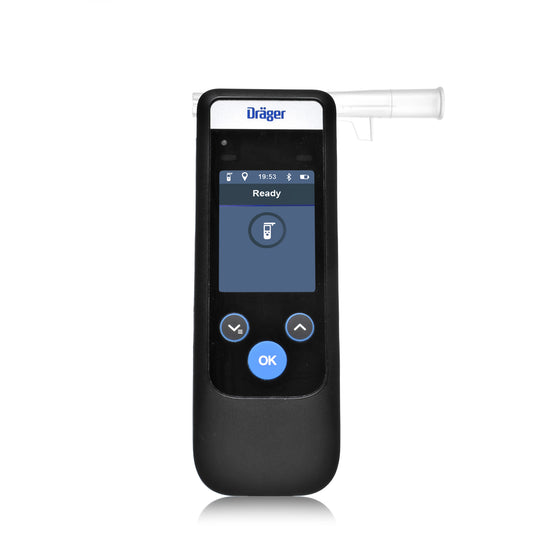
Dräger ( Draeger ) AlcoTest 7000 Breathalyser (breathalyser handset only)
Regular price £1,478.00 GBPRegular priceUnit price per -
 Sold out
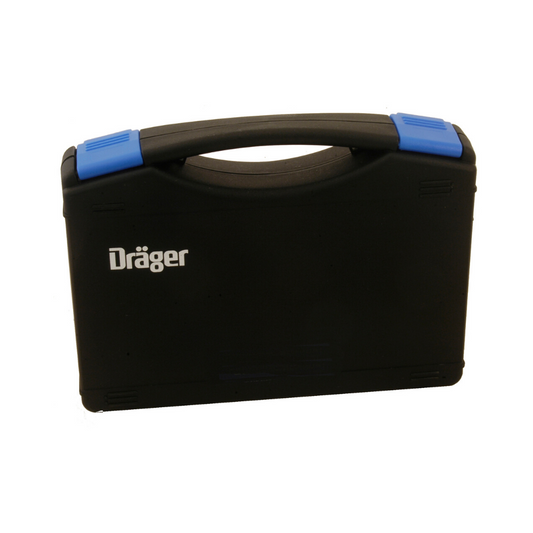
Hard Case for Drager Breathalysers
Regular price £150.00 GBPRegular priceUnit price per











Buy a breathalyer
Why choose a breathalyser?
Driving under the influence of alcohol is one of the most common causes of accidents. A personal or workplace breathalyser gives you the power to check your breath-alcohol concentration before getting behind the wheel or allowing someone into a safety-sensitive role.
In the UK, the legal driving limit for most drivers is 35 μg of alcohol per 100 ml of breath (80mg per 100ml blood). Scotland has a slightly lower limit of 22 μg of alcohol per 100 ml of breath (50 mg of alcohol per 100 ml of blood )(0.05 % BAC).
Whether you’re a private motorist, fleet operator, employer or event organiser, ensuring sober driving or staff readiness helps protect both individuals and organisations.
Our range of breathalysers for sale online offer fast, reliable alcohol testing for both personal and professional use. Whether you're checking your own alcohol levels before driving or carrying out workplace alcohol screening, our breathalysers provide accurate readings in seconds. We stock both single-use and reusable digital breathalyser models, including UK-approved devices used by professionals. Easy to use and highly effective, a breathalyser can help to promote safety and responsible alcohol monitoring.
What Is an evidential breathalyzer?
An evidential breathalyser is a professional alcohol testing device designed to measure the concentration of alcohol in a person's breath and provide a result that can be recorded for formal decision-making.
Evidential breathalysers are particularly relevant to employers operating workplace drug and alcohol testing programmes, especially in safety-critical industries such as transport, logistics, construction, manufacturing and engineering.
Unlike a basic screening breathalyser, which is used to identify a potential alcohol-related concern, an appropriate evidential testing system can help employers obtain a more formal measurement to support their workplace alcohol policy and subsequent decisions.
How does an evidential breathalyzer work?
An evidential breathalyser analyses a breath sample and provides a numerical breath alcohol concentration (BrAC) reading. Depending on the instrument, results may also be stored electronically or printed for record-keeping.
For reliable results, it is important to use the device correctly, follow the manufacturer's instructions and ensure that calibration and maintenance are kept up to date.
What Is the difference between a screening and an evidential breathalyzer?
A screening breathalyser is generally used for an initial check to identify whether alcohol may be present at a level of concern. An evidential breathalyser system is intended to provide a more formal measurement and record of the result.
The right device depends on your requirements. A disposable breathalyser may be suitable for occasional preliminary screening, while a professional digital breathalyser may be more appropriate for regular workplace testing.
Where test results could lead to disciplinary action, employers should select equipment suitable for that purpose and follow a clear, fair and documented testing procedure.
It is also important to distinguish workplace evidential testing from police evidential breath testing. Instruments used for police evidential purposes in Great Britain must meet the applicable Home Office approval requirements. A professional breathalyser should not be assumed to have this approval unless its status has been verified.
Which evidential breathalyzer should you choose?
UK Drug Testing supplies a range of alcohol testing products, including professional Dräger breathalysers, digital screening devices and disposable breathalyser kits.
The Dräger Alcotest 7000 is designed for professional alcohol testing and offers mouthpiece and funnel sampling options, electronic connectivity and a stated 12-month calibration interval.
Explore our Dräger breathalysers to compare available devices and accessories.
If you are introducing workplace alcohol testing or need results to support a formal employment process, contact our customer support team for advice on selecting equipment appropriate for your requirements.
What kinds of breathalysers do we stock?
At UK Drug Testing we curate a broad range of breathalysers, designed for different needs:
- Personal/consumer models – compact, easy to use, ideal for checking whether you’re safe to drive or for home-use after a social event.
- Workplace & professional alcohol screening devices – higher-grade breathalyser units with improved sensor technology, featuring replaceable modules or calibration services, suited for employer breath alcohol screening or safety-critical roles. Evidential breathalysers are the the best option for confirming a positive alcohol screening test at work.
- Single-use/disposable breathalysers – straightforward, budget-friendly devices for occasional breath alcohol checks or as backup kits. Non evidential.
- Breathalyser accessories & maintenance – mouthpieces (single-use for hygiene), replacement sensors and carry-cases.
There are two main types of breathalysers
- Digital breathalysers including police grade evidential breathalysers, workplace alcohol screening breathalysers and personal breathalysers.
-
Breathalyser test kits- single use disposable chemical breathalysers.
We also stock replacement breathalyser sensors and mouthpieces
- Replacement breathalyser sensors for digital breathalysers including AL700 breathalyser, and the Alcodigital Platinum fuel cell breathalyser.
- Breathalyser mouthpieces for digital breathalysers and Draeger breathalysers.
How does a breathalyser work?
A breathalyser is a device used to measure the amount of alcohol in a person's breath Breath Alcohol Content (BrAC), which correlates closely with their Blood Alcohol Content (BAC). A breathalyser test using either a digital breathalyser or a disposable breathalyser test kit can provide a non-invasive and quick method to estimate an individual's level of intoxication with alcohol, which is plays an important role in ensuring workplace safety , monitoring underage drinking or for personal use to ensure safety.
Key points about breathalysers:
- Accuracy: Different types of breathalysers have varying levels of accuracy. Fuel cell and infrared spectroscopy breathalysers are generally more accurate than semiconductor breathalyser sensors.
- Breathalyser Calibration: Digital breathalysers need regular calibration to maintain accuracy. Some digital breathalysers now come with clip in clip out replacement sensors which makes recalibration simple. Breathalyser kits are single use and should be disposed of after use. They can not be recalibrated or re-used.
- Legal Limits: Legal BAC limits for driving vary by country and even within province within countries. For example the legal limit in Scotland is lower than in England and wales even though they are all part of the United Kingdom. Information on legal alcohol limits driving for UK and abroad.
Choosing the right breathalyser device – what to look for
Not all breathalysers are the same. Here are some key features to consider:
- Sensor type: Fuel-cell sensors provide superior accuracy and reliability, especially for frequent or professional use.
- Calibration: Regular calibration or sensor replacement ensures accurate readings over time.
- Accuracy rating: If you are testing in a workplace environment, look for a breathalyser with strong accuracy credentials.
- Ease of use: Clear displays, prompts and good ergonomics help reduce testing errors.
- Hygiene: For multi-user devices, single-use mouthpieces or individually assigned reusable mouthpieces are recommended.
- Compliance needs: For evidential use, ensure the device meets appropriate UK standards and approvals.
- Usage frequency: Personal occasional use may only require an entry-level model; daily screening calls for a higher-spec machine.
Breathalysers are useful in a wide range of situations:
- Private motorists – check alcohol levels before driving the morning after drinking.
- Fleet & logistics operators – ensure drivers are fit to work and compliant with company policies.
- Workplace safety-critical roles – protect employees working with machinery or hazardous operations.
- Events, schools or sports venues – maintain a safe environment where alcohol may be present.
- International or holiday driving – some countries enforce lower alcohol limits, making self-testing essential.
An alcohol breathalyser test provides a non-invasive and quick method to estimate an individual's level of alcohol intoxication, which is crucial for workplace, schools and personal use to ensure safety.
FAQs at a glance
How accurate are breathalysers?
Accuracy varies with the sensor technology and maintenance. Fuel-cell devices are the most reliable for regular personal use.
How often should a breathalyser be calibrated?
Digital devices will typically need calibration every 6–12 months or after a specific number of tests. Some breathalyser models allow simple sensor replacement instead.
Can breathalyser mouthpieces be reused?
Where multiple people are being tested, mouthpieces should be treated as single-use for hygiene and accuracy.
Why buy a breathalyser from UK Drug Testing?
- A carefully chosen range covering home, business and professional testing needs
- Experienced support team to help you choose the right model
- Calibration and aftercare services available
- Fast discreet UK delivery and reliable UK based customer service
Need more help?
Our customer support team is happy to assist with technical advice or recommendations. Please use our live chat, call during working hours, or drop us an email—we’re here to help. UK Drug Testing is one of the leading online drug and alcohol testing companies in the UK.
if you are unsure which breathalyser will be the best for your requirements you may find the answer below or in our breathalyser FAQ section.