
-
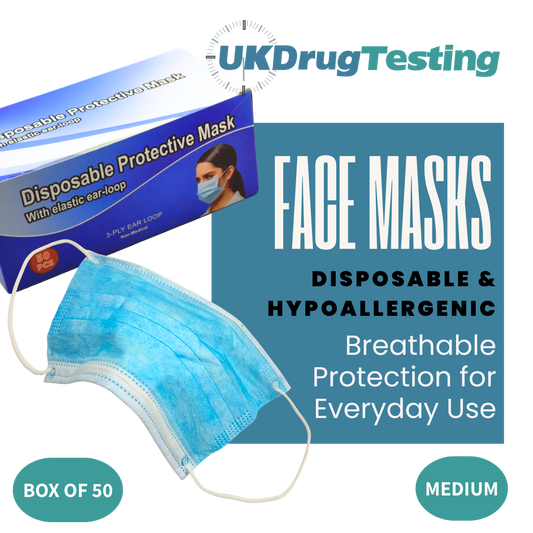
Disposable Face Masks Box of 50 - Protective & Hypoallergenic
Regular price From £1.99 GBPRegular priceUnit price £1.99 per item£4.99 GBPSale price From £1.99 GBPOffer -
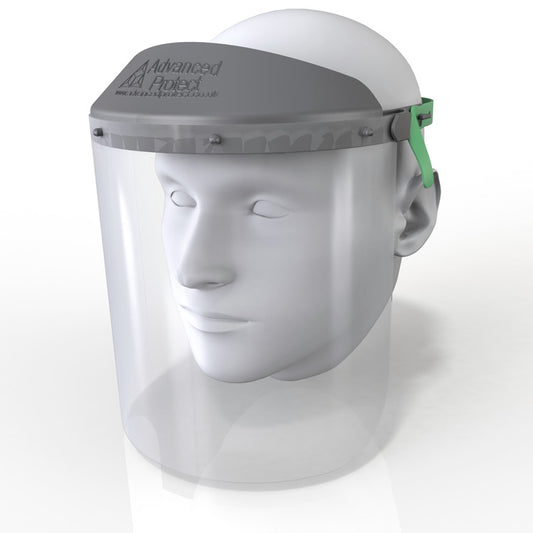
Advanced Protect PPE EN166 certified Face Shield Visor
Regular price £6.99 GBPRegular priceUnit price per -
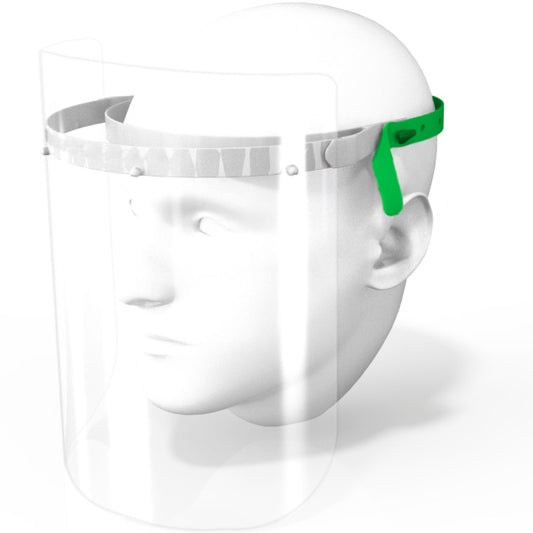
Hi-Line PPE EN166 certified Face Shield Visor
Regular price £5.99 GBPRegular priceUnit price per

Protective Face Coverings For Drug Testing
Protective face coverings such as disposable face masks and visors play an important role in maintaining hygiene and safety during workplace and healthcare drug testing procedures. They are designed to help reduce the risk of exposure to respiratory droplets and bodily fluids, supporting both the sample collector and the individual being tested.
When carrying out drug testing in close-contact environments, it is generally advisable for collectors to wear suitable personal protective equipment (PPE), including a disposable face mask and, where appropriate, a face shield visor for additional protection. The person being tested may also be asked to wear a face covering during parts of the process, particularly in indoor or clinical settings.
Why protective face coverings are used in drug testing
Infection prevention and control
Drug testing procedures often involve face-to-face interaction at close range. Wearing a mask or visor can help reduce the transmission of airborne particles and droplets, helping organisations meet workplace health and safety responsibilities.
Maintaining professional testing environments
Protective face coverings support safer testing protocols in environments such as occupational health clinics, laboratories, rehabilitation services and safety-critical workplaces.
Supporting business continuity
Using appropriate PPE during drug and alcohol screening can help minimise the risk of illness-related disruption, enabling organisations to continue essential operations safely.
Added protection for sample collectors
A full-face visor can provide an extra barrier against splashes or accidental contact with saliva or other biological materials during certain testing procedures.
How face masks and visors may be used
- During workplace drug and alcohol testing, collectors may wear disposable masks throughout the testing process.
- Individuals being tested may be asked to keep a face covering in place until a sample is required, such as when conducting oral fluid testing.
- Face shield visors can be worn over a mask or used alone in low-risk situations to provide an additional physical barrier.
- PPE should be disposed of or cleaned according to manufacturer guidance after each testing session to maintain hygiene standards.
Suitable settings for protective face coverings
Protective masks and visors used alongside drug testing kits may be appropriate for:
- Workplace drug and alcohol screening programmes
- Occupational health and safety testing
- Clinical and rehabilitation services
- Pre-employment and random testing environments
- Mobile or on-site drug testing services
Supporting safe and responsible drug testing
Using protective face coverings as part of a broader infection control strategy helps organisations demonstrate duty of care towards staff, clients and testing personnel. When combined with proper drug testing procedures and hygiene protocols, PPE contributes to safer, more professional drug testing practices.
Disposable gloves should be worn during drug and alcohol testing to help maintain hygiene, prevent sample contamination and protect both the sample collector and the individual being tested from contact with bodily fluids such as urine or saliva. Acting as an effective physical barrier, single-use gloves can reduce the risk of cross-infection and help ensure accurate, reliable test results when handling testing kits or specimens. Changing gloves between tests and practising good hand hygiene supports recognised infection control procedures and demonstrates a commitment to workplace health and safety standards. Powder-free disposable gloves, such as the 100 Powder Free Gloves available from UK Drug Testing, are commonly used in occupational health, clinical and on-site testing environments.